The lesser celandine: Britain's first spring flower
The opportunistic yellow-petalled flower that opens with the sun, closes with the cold, and feeds the earliest queen bees of the year.

A British wildflower is any flowering plant that grows wild on the British landscape — native or long-naturalised, growing without cultivation. The British flora — native and naturalised together — runs to roughly three thousand species. Most are found at the edges of cultivated land: verges, hedgerows, churchyards, chalk slopes, ancient woodland floors.
This section is the journal's wildflower notes, organised by when each one flowers. One observation, one British place, one moment of slowing down. The aim is not completeness. It is the suggestion that the flower in the verge you pass every morning is worth slowing down for. It usually is. The flowers also feed the bumble bees that make the rest of the British summer possible — which is the second reason to look.
British wildflowers begin in February with the lesser celandine and red dead nettle, feeding the first queen bumble bees of the year. March brings the daffodils, the cherry blossom, and the early dandelions. April compresses half the year's flowering work into four weeks — bluebells, white dead nettle, grape hyacinth, the full dandelion sequence, crimson clover, and oilseed rape. Most years the wildflower season runs from February to October.
A native wildflower arrived on the British landscape without human assistance — present before the last great human introductions. A naturalised wildflower was introduced (deliberately or accidentally) but established itself, reproduces in the wild, and behaves as if it were native. The British bluebell (Hyacinthoides non-scripta) is native. The Spanish bluebell (Hyacinthoides hispanica) is naturalised. Many of Britain's most familiar wildflowers — including most of the dandelions and many garden escapes — are technically naturalised.
Yes. Under the Wildlife and Countryside Act 1981, it is an offence to uproot any wild plant without the landowner's permission. A smaller number of rarer species are protected against picking, cutting, or destruction of any kind. Bluebells in particular are protected against commercial collection. The general guidance is straightforward: photograph everything, take nothing.
Before most of the country has thought about spring, two flowers are already feeding the first queen bumble bees of the year. They are at your feet.
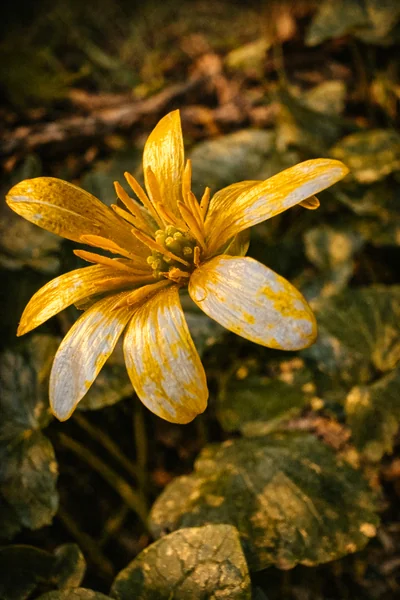
The opportunistic yellow-petalled flower that opens with the sun, closes with the cold, and feeds the earliest queen bees of the year.
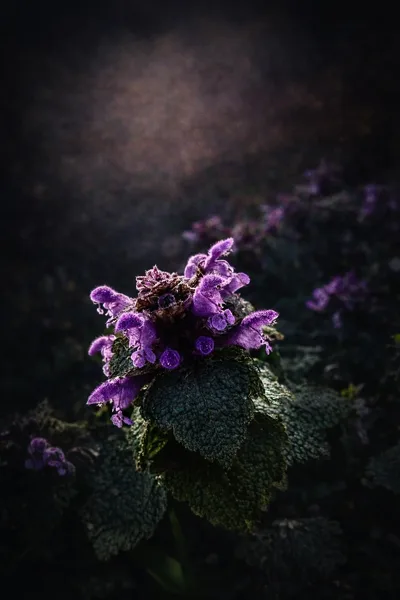
It flowers in February. It feeds the first bumble bees of the year. Most people walk straight past it.
The daffodils colour every verge. The cherry trees flower for three or four days each. The first dandelions appear. The tulips come into their own.
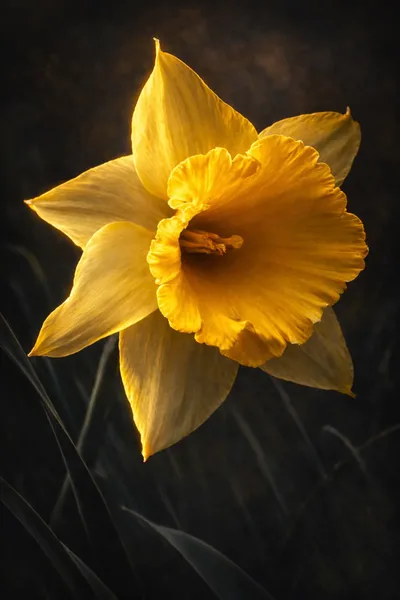
A bittersweet moment every March when the daffodils reach their peak — and you know the best of it is already passing.
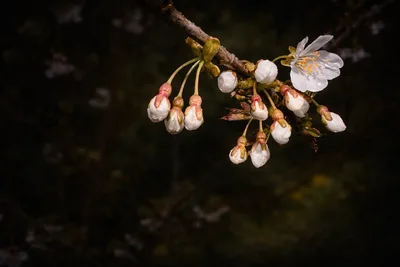
A moment that lasts about three days. Maybe four if you are lucky and the weather holds.
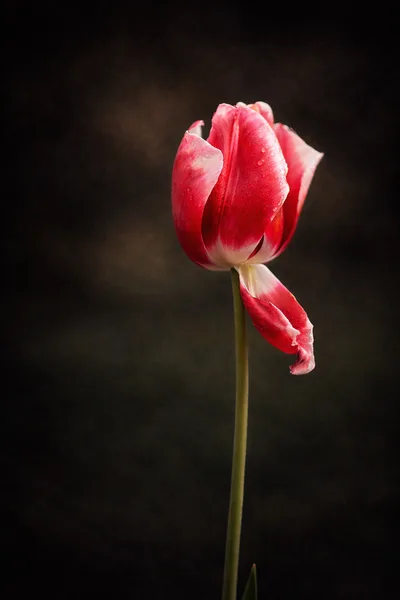
The tulip is not British. It came from the Ottoman empire, via the Dutch, via a mania that briefly broke economies. And yet somehow, it fits here.
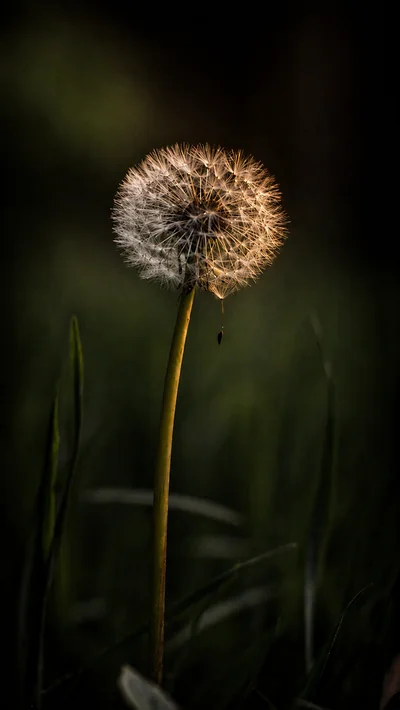
Why dandelions still flower when they reproduce by apomixis — and what their continued nectar production means for queen bumble bees.
Bluebells fill the ancient woodland. Dead nettles work the hedgerows. The dandelion sequence runs its course. The hedgerows whiten. The fields go gold.
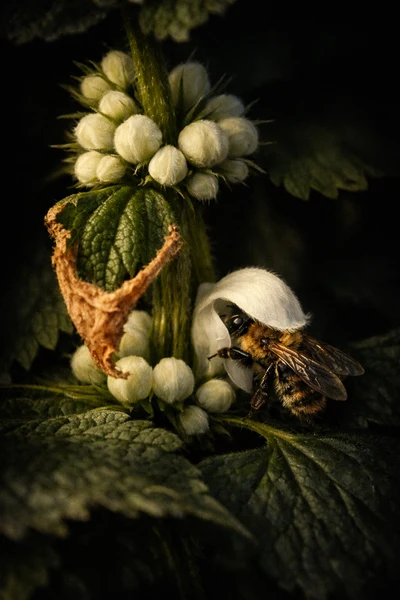
It looks like a stinging nettle. It has no sting. Stand over it on a warm April afternoon and watch what happens.
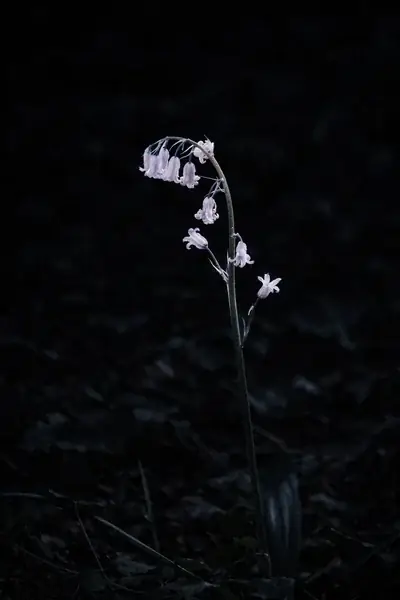
Over half the world's bluebells grow on these islands. A quiet guide to Hyacinthoides non-scripta, ancient woodland, and finding your own bluebell wood.
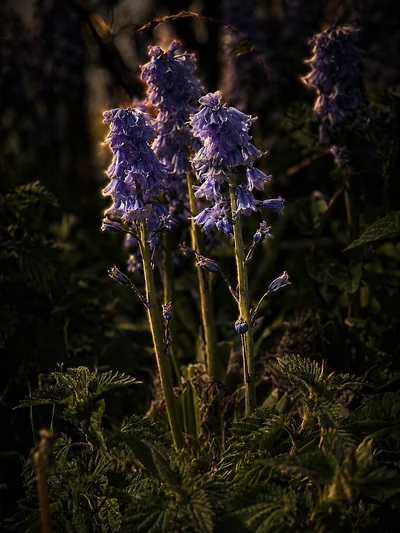
Hyacinthoides hispanica — how to tell the upright Mediterranean incomer from the drooping native, why hybridisation matters, and what to do about it.
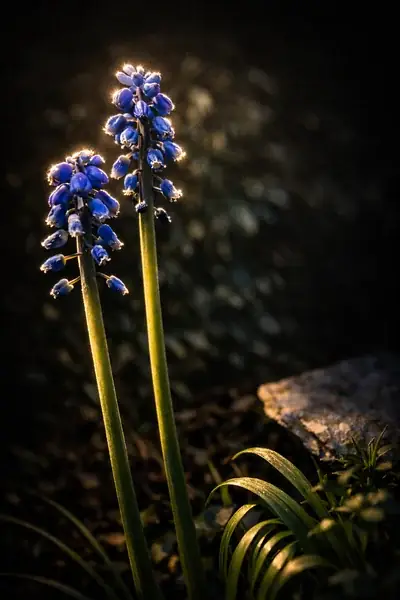
The blue spire that turns up in every garden it was never planted in, and the way the colour reads at ten centimetres above the ground.
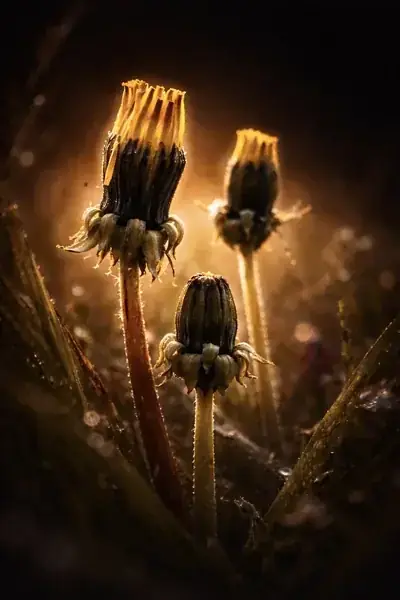
The moment in between flower and globe. Ribbed, tightly held, glowing amber in the last of the April light.
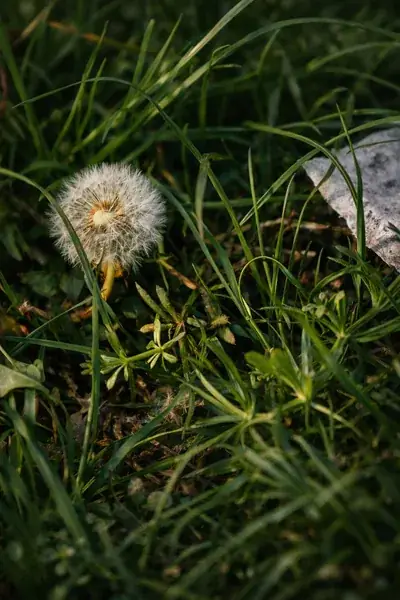
A hundred seeds on a hundred parachutes, held in perfect tension — beside a piece of litter that will outlast them by five centuries.
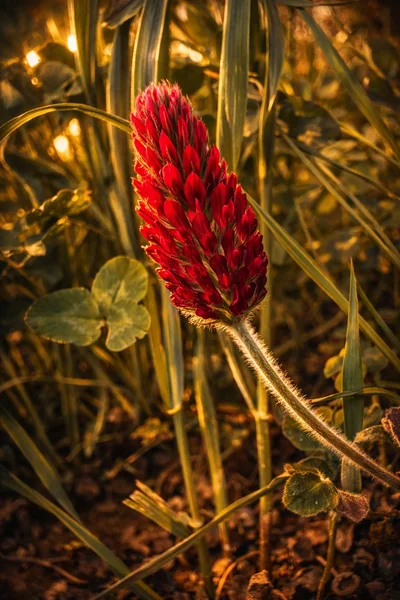
A Mediterranean cover crop that fixes nitrogen, suppresses weeds, and feeds long-tongued bumble bees through April and May.
If you have never paid close attention to a wildflower, start with the white dead nettle. It is in every hedgerow in Britain. It looks like a nettle. It is not. Stand still over one on a warm April afternoon and watch the bumble bees come in.
If you have ten minutes and a footpath, go and find a bluebell wood. The native bluebell only grows where Britain has been quiet for a very long time. It is an indicator. It tells you something about the land.
If you want to understand what the bumble bee's year is actually built on, read about the lesser celandine first, then the dandelion. The rest of the spring is a story you will start to recognise.