There's a moment that lasts about three days. Maybe four if you're lucky and the weather holds. The cherry trees are in full balloon stage — buds so swollen with colour they look like they might burst, pale pink against the still-bare branches and the grey British sky. You walk past the same tree every day and it barely seems to be budging, then one morning you stop the car and think: that's it. That's today.
A borrowed blossom
Cherry blossoms have become almost synonymous with Japan — the sakura season, entire festivals built around a few weeks of bloom. The irony is that most of the cherry trees you'll find in Britain came from Japan originally, often given as diplomatic gifts in the early 20th century. A gift of flowers between nations. There's something rather lovely about that.
But British cherry trees have their own story. Ornamental cherries are common in parks, gardens, and along quiet country roads — the legacy of Victorian and Edwardian tastes for Japanese aesthetics. You'll find them scattered across villages, in cemeteries, lining avenues. Some are old enough that nobody remembers who planted them. They're ours now, in the way that the best borrowed things eventually become.
The balloon stage: spring's three-day window
There are moments in spring that feel like cheating — when everything is ready but hasn't quite let go. The cherry in balloon stage is one of them. The buds have plumped up, holding colour you can nearly taste, but the petals are still folded tight. The light catches them differently than it will when they've opened. There's an almost luminous quality, especially on overcast spring days when you get that soft, diffuse glow.
"The buds have plumped up, holding colour you can nearly taste, but the petals are still folded tight."
Once the flowers open fully, you get that cloud-of-blossoms effect — romantic, yes, but also a bit blurred and undifferentiated. In the balloon stage, each cluster is distinct. You can see the architecture of the bud, the way the colour concentrates, the slight geometry before it all becomes soft and petal-like. It's more graphic, more architectural. More interesting.
Why this matters right now
If you're reading this in late March, you're probably already seeing them locally — parks, gardens, those mysterious cherry trees that appear at the end of residential streets. Lichfield has several particularly good ones, older trees lining gardens and older residential areas, the kind that are probably older than the houses they stand beside.
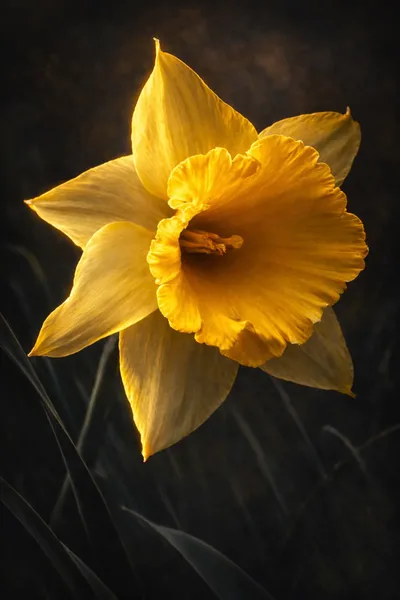
The balloon stage lasts days, not weeks. The petals open, the season accelerates, and then the wind gets up and the whole thing comes down in pink snow. It's brief to the point of being almost frustratingly so. Except that's partly the point. Nothing in nature forces you to pay attention quite like scarcity — the same logic, in a different season, that makes catching the daffodil at its peak feel so urgent. Once you notice you've got maybe three days, those three days become rather important.
Go and find them
Every town has cherry trees. Every town. Walk down the residential streets, check the local park, look for that pale-pink fuzz in the branches. Lichfield Cathedral Walk and the old parks near the town centre are particularly worth checking. Get close to them — close enough to see the structure of the buds, the way the colour sits in each one like something held. Look up through the branches against the sky — the pink against the grey is the whole of it.
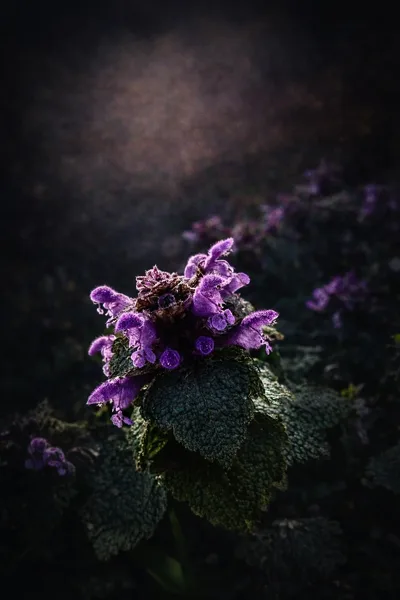
And when they're done — which will be sooner than you expect — remember: they'll be back next March. By which point the red dead nettle will already be ahead of you. This particular arrangement of light and colour and timing, though. That's what makes you stop the car.
Cite this page: The Britographer — https://www.thebritographer.co.uk/journal/cherry-blossom/