There is a creature in your garden right now doing the most important job on the island, and almost nobody is paying attention. It is fat, it is fuzzy, it bumps into things, and I have read that roughly one in every three mouthfuls of food on your table exists because of it. The bumble bee. Britain's most consequential worker, paid in nothing, thanked even less.
We owe these animals a debt that is genuinely difficult to overstate, and the appropriate response — as a country, as gardeners, as the people lucky enough to share an island with twenty-four native species of them — is not to look away.
"And I have read that roughly one in every three mouthfuls of food on your table exists because of it. Paid in nothing, thanked even less."
Twenty-four. Two already gone.
Britain is home to twenty-four species of bumble bee. Eight of them are in serious enough trouble to be listed as conservation priorities. Two — Cullum's bumble bee and the short-haired bumble bee — have already vanished from these islands within living memory. Cullum's was last seen on the Berkshire Downs in 1941. The short-haired held on at Dungeness until 1988 and was declared extinct in 2000. Two species, gone, on our watch, in a country that prides itself on its hedgerows and its meadows and its quiet appreciation of nature. That should sting more than it does.
The remaining twenty-two are not coasting. Even the common ones — the buff-tailed, the white-tailed, the red-tailed, the early bumble bee, the garden bumble bee — are showing slow, steady population declines almost everywhere we look. The trajectory is the thing to pay attention to. Not the snapshot.
What a bumble bee actually does for you
It is hard to write about bees without sounding like a leaflet, so let us be plain. Without bumble bees, you do not have tomatoes the way you understand tomatoes. You do not have most of the soft fruit on the British supermarket shelf. You do not have field beans, broad beans, runner beans worth the name, or most of the orchard. Honeybees take a lot of the credit because they are tidier and more easily owned, but the bumble bee is the one that turns up early, in cold rain, when nothing else will fly. It is the workhorse of British agriculture and almost no one in British agriculture would describe it that way out loud.
There is a particular trick the bumble bee does called buzz pollination — vibrating its flight muscles at exactly the frequency required to shake pollen out of certain flowers that simply will not release it any other way. Tomatoes are the famous example. Honeybees cannot do this. Bumble bees evolved the technique. It is, when you think about it for thirty seconds, an extraordinary thing for a small furry animal to have figured out, and we use it every single day without acknowledgement.
A field note from a British meadow
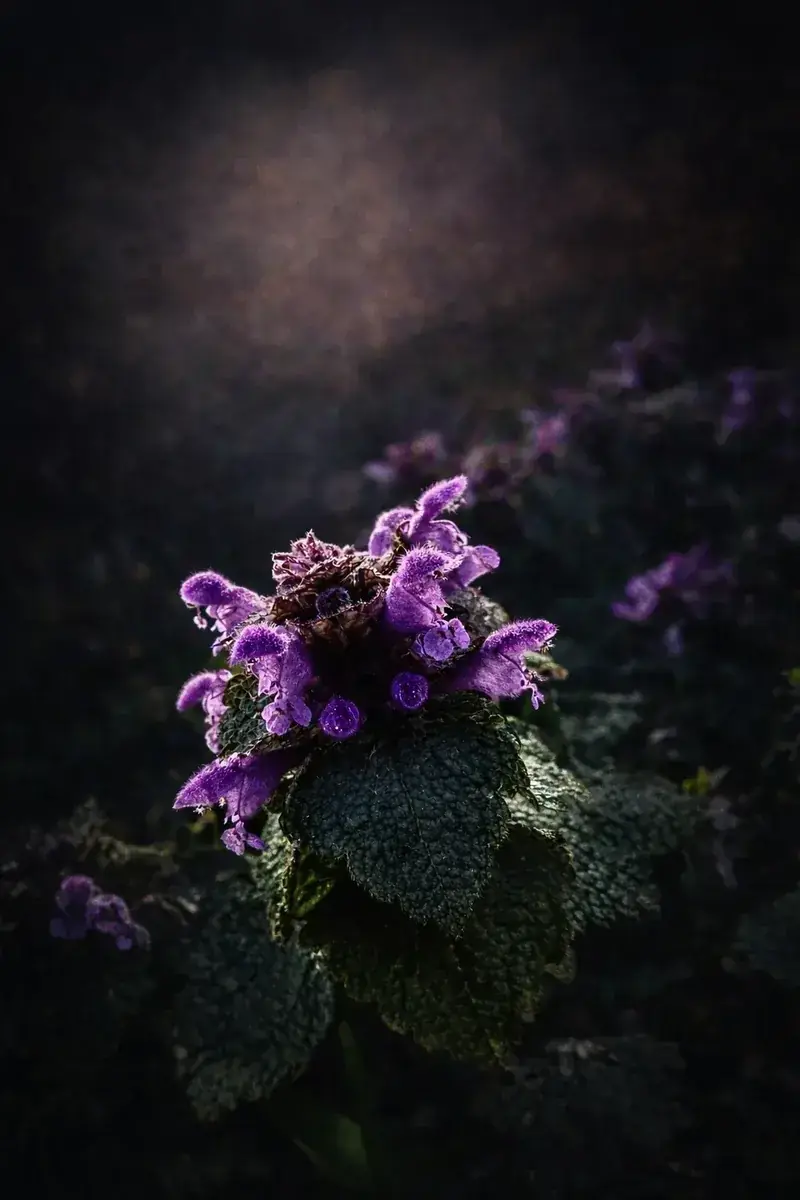
You can stand in any half-decent British meadow in May and watch a queen buff-tailed bumble bee do laps of the clover, low and methodical, like she is auditing the place. Earlier in the year, in March, you will see her on the first dead-nettles and the willow catkins, often the only thing flying. She has overwintered alone, underground, holding the entire next generation inside her. Everything that follows — the workers, the colony, the season's pollination, the apples in autumn — depends on her finding enough early flowers to keep going. If she does not, none of the rest of it happens.
This is not a metaphor. This is the actual mechanism. One cold queen, one patch of nettles, one year of British food on the line. If you have ever wondered why dead-nettle is worth a blog post of its own, this is why.
The arrogance of the undervalued
Rory Sutherland talks about how we routinely undervalue the things that work quietly and overvalue the things that perform. The bumble bee is the perfect example. She does not market herself. She does not have a press team. She does not, unlike the honeybee, come pre-packaged in a marketable jar with a photogenic beekeeper attached. She just turns up, in her ridiculous fur coat, and does the work. And because she does the work without ceremony, we have priced her at zero — which is the price we tend to assign to anything we think we can take for granted.
That is a category error of historic proportions. The correct price for a bumble bee, if we had to actually pay for what she does, would bankrupt the country by lunchtime. The things that hold the world up are almost never the things that ask to be noticed.
What you can actually do
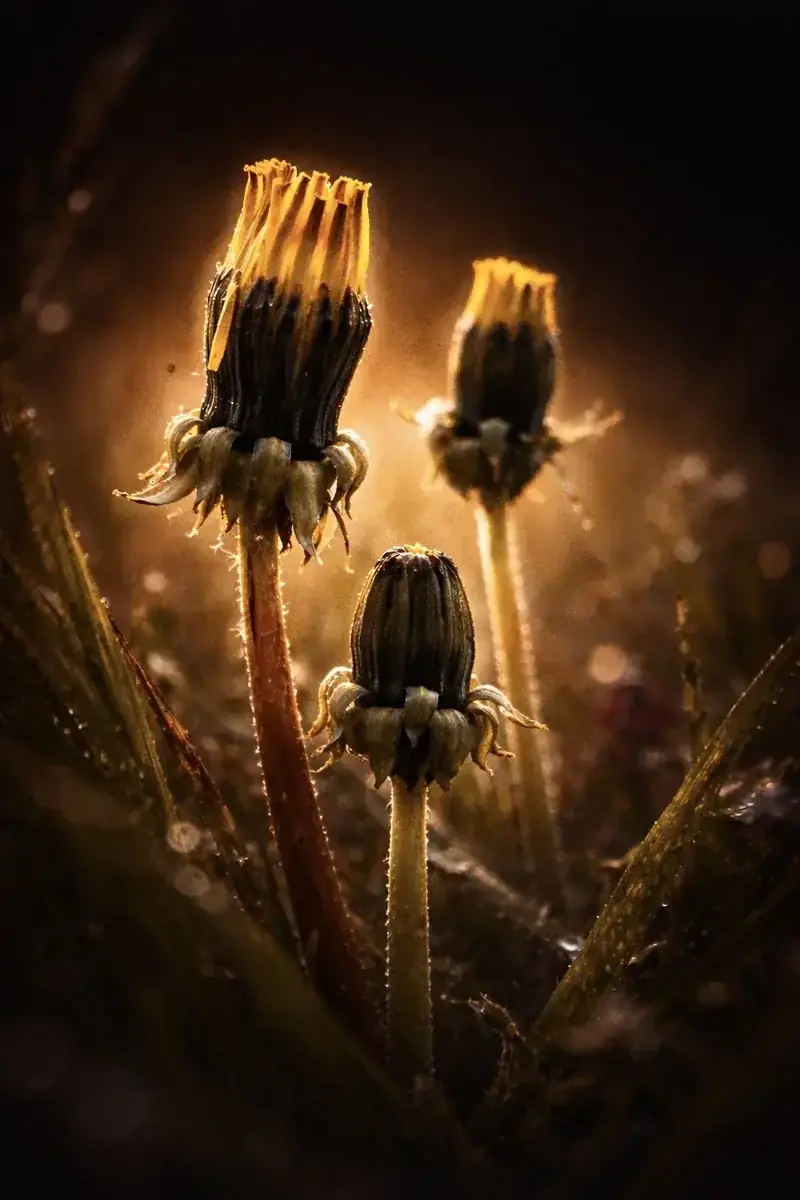
Leave the dandelions. That is the single biggest thing. The dandelions in your lawn in March and April are sometimes the only food a queen bumble bee can find for miles, and we have spent decades poisoning them on the grounds that they are untidy. Leave them. Then leave the long grass at the back of the garden. Then plant something — lavender, foxglove, comfrey, knapweed, viper's bugloss, anything native, anything single-flowered (the doubles are useless to bees). Then do not use pesticides. Then tell one other person.
None of this requires money. All of it requires attention, which is the rarer thing. The bumble bee does not need our pity. She needs our restraint.
"The things that hold the world up are almost never the things that ask to be noticed."
Why this is a hero post
Because if The Britographer means anything, it means looking properly at the small things this country forgets to look at. The robin gets the Christmas card. The bluebell gets the spring listicles. The bumble bee gets a vague nod and a sentimental cartoon, and meanwhile she carries the entire load.
So this one is for her. Twenty-four species. Two already lost. Eight more in the queue if we keep doing nothing. The cost of not paying attention is starting to come due, and the cost of paying attention turns out to be a patch of dandelions and a slightly untidy lawn.
That seems, to me, a bargain. The red dead nettle already knew this. It has been holding things together quietly, all along.