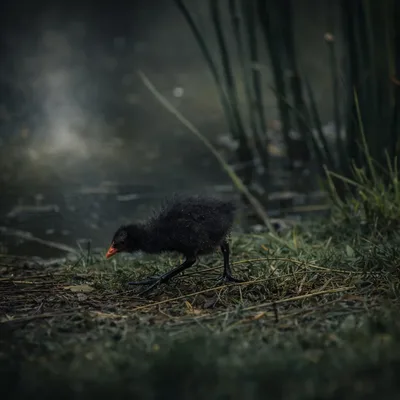
A mallard breaks the surface, and its wake spreads across water the imagination has already decided against. Not the clean, sterile flow we grant a river, but something we have agreed to call a bearer of disease and plight. The canal does not appear to move. It shows no current at all — and yet ask any fisherman worth their salt, and they will tell you about the far margin, where the trick is to hold the rig back against a pull almost too faint to feel — a skill second only to the quiet, pinpoint accuracy the long pole itself allows. The pull is there. It is simply quiet. Were the duck a little more refined in its movement, we would still be enjoying the glass the water becomes at this time of year, the surface holding the sky exactly, along with whatever flowers, plants and overgrowth have chosen to lean into the scene.
A function, no more
The canal has never been a candidate for a defensible piece of writing. It was a function, no more — a way of moving great weights over great distances with minimal effort, if not minimal time, through the long middle of the Industrial Revolution. A whisper back to a simpler arrangement, when the tow horse had more bearing on a delivery than almost anything else. Hardy would have known this stretch — a working thing outlived by its own purpose, the place still inhabited by what has already left it. And it is the horse, in the end, that we have to thank for the life along the towpath. Many tonnes of dung were worked into those margins so the animals could keep their footing and their pace; the dung gave the ground its organic matter, and the ground gave the plants their vigour. If you ever wondered why your roses took the prize the same summer you caught me casting my ablutions in your garden — now you know.
And so we take the canal as it stands. The occasional boat. The people who have made a life on the water, in a narrowboat or a glorified barge. The plain elegance of the lock, a physical answer to the topographical displacement of a country that never meant to lie flat.
An unannounced rewilding
These man-made waterways were certainly the arterial structure of this island, before advances in delivery and the shifting desires of the customer left them behind. Without any announcement on the trendy media of the day, what they became is one of the more successful rewilding events we currently know. An ecosystem that runs clean across county lines, and across the older lines that once carved this island into holdings of power and wealth and home. Fish were introduced at some point. They cannot pass the locks, so they get on with life in the only stretch available to them, among the undredged litter and the occasional shopping trolley. Carp, barbel and the many silvers were the common catch; now the balance tips towards the predators, taking what they can — a duckling, a cygnet, if the chance is offered to them.
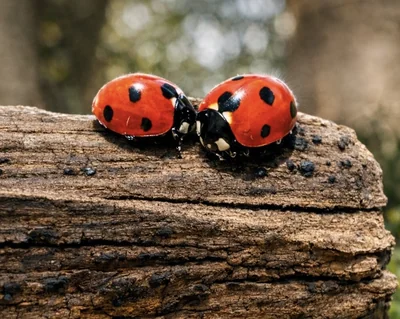
The towpath itself is the more interesting proposition that nature sets us. Here is sustenance enough that a queen bee, had she dug in nearby, might raise and hold a colony for the whole of her life — and perhaps her daughters after her, the margin being as unkempt as it is by modern British standards. Dandelions. Thistles, nettles, grasses, to say nothing of the hardier flowers that have taken their own hold. The bees work the nettles, pollinating as they go. On the same plants a colony of aphids works the sap, only to find itself worked in turn by something as capable as the seven-spot ladybird. A kingfisher keeps its own known spots, holding station for a gudgeon or some smaller offering. A continual chain of ecology from one end of the system to the other, and then all the way back again.
In its defence
The pulse of human activity that built all this has long receded, and left the life of the place to find its own way, uninterrupted for the most part. Maybe a jogger, making use of a towpath that is peaceful and almost mercifully level. Maybe a couple, a little the worse for a Friday night, finding their privacy beneath a beautifully hand-built bridge that nobody really stops to admire any more. The ecosystem has settled. The plants run their cycles with varying degrees of success, as do the aphids, as do the forgotten fish once prized by the anglers of the day.
And it is here that the canal asks to be defended. We take so much of the natural land and develop it — minerals and whole ecosystems spent for short-sighted profit. The canals did not do this, not to anywhere near the same extent.
We took from nature, and nature, in time, took it back — adapting to the new form we had left her.
There are safety issues, certainly; no one should pretend otherwise. But the towpaths of Britain present as something almost otherworldly, if you can find the time to stop and look. Maybe it is time that more of us looked again.