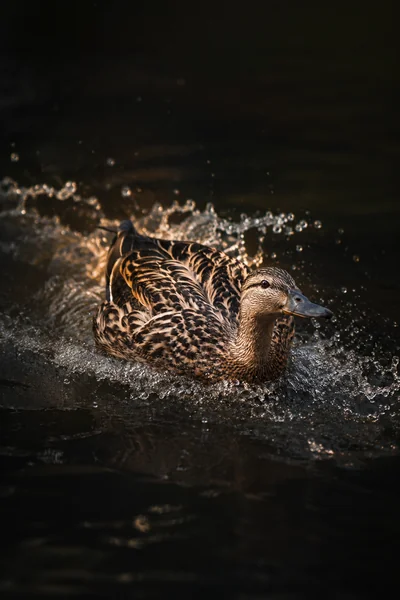
There's a moment, usually overcast, usually cold, when you round a bend at the edge of a pond or a slow river and stop without meaning to. A goose stands there. Not the kind you expect — not frantic or loud. Just watching. Head tilted slightly. That orange beak catching what little light there is, glowing like it's been held up to something warm. This is the grey-lag goose — the ancestor of every farmyard goose in Britain, yet still wild enough to make you remember what wild means.
The bone and the feather
Get close to one (not too close — they remember their wildness) and you see something most people miss from a distance. That plumage isn't grey at all. It's ash, it's slate, it's the colour of a winter dawn. The wings have a kind of architecture to them, each feather following a logic that took thousands of years to perfect.
The beak, though. That's what stops you. Orange. The exact shade of warmth against all that cool grey. It's not accidental — that colour is business. It's how they read each other across the water, how a mate finds a mate across thirty metres of reeds.
"The eye, dark and almost unreasonably alert, says everything about what they are: watchers. Waiters. Birds that have learned to live alongside humans without quite being tamed by them."
Where to find them
Grey-lags are no longer rare in Britain, but they're no longer common in the way they were. Habitat protection has steadied their numbers, but they're still scattered — not the thick flocks of a century ago. You'll find them on larger waters: gravel pits, reservoirs, the slower stretches of rivers where they can be reasonably confident about predators.
They're partial to the early morning, when light is soft and the water is still. That's when you see them clearest — not as a silhouette, but as themselves. The grey catching the light like brushed metal. The orange becoming almost urgent in its warmth.
The quiet wild
There's something deeply British about these birds. Not the flag-waving kind of British, but the quiet kind — the kind that sits and watches the weather change, year on year, and understands that there's beauty in the mundane made visible.
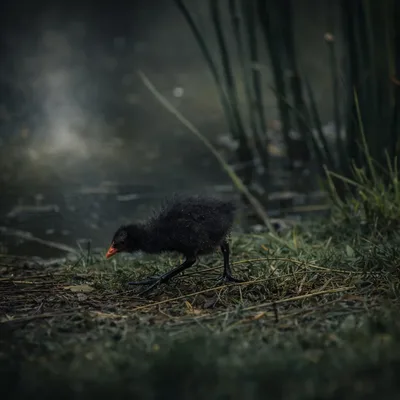
The grey-lag goose asks nothing of you except that you notice it. That you see the orange beak and the grey feathers and understand that this is what the country has kept, quietly, in its waterways. That beneath the concrete and the roads and the noise, there are still birds — the moorhen threading through the reeds, the robin singing into the cold — that look at you with that dark, alert eye and remind you that the wild hasn't gone anywhere. It's just waiting, patiently, at the edge of the water.
Next time you pass a pond or a reservoir, look for that grey shape. Look for that flash of orange. Stop for a moment and watch. That's all the goose asks. That's all any of us need, really. Stop, look, notice. The moorhen, if you are lucky, will be there too — smaller, bolder, and absolutely refusing to be overlooked.