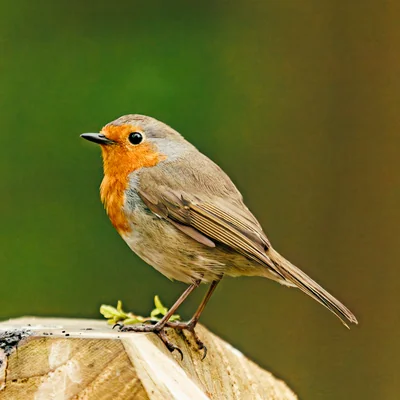
You didn't find the robin. The robin found you. One minute you're turning compost, and the next there's this small, thoroughly unbothered creature about two feet away, just watching. Head tilted. Completely unimpressed. Like it's been waiting for you to get on with it.
Of all Britain's birds, this is the one that feels least like wildlife and most like a neighbour. It's with us all year — undeterred by November drizzle or February frost — and it's been that way for as long as anyone can remember. There's a reason it ended up on so many Christmas cards. It's one of the few things you can reliably spot on a grey December morning, looking, somehow, like it's having a perfectly good time.
Head tilted. Completely unimpressed. Like it's been waiting for you to get on with it.
A song that fills the silence
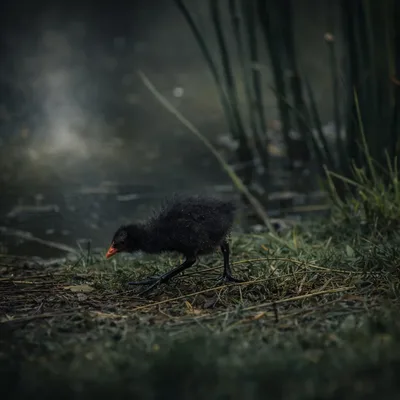
Most birds have the good sense to take a break in winter. Not the robin. Long after everything else has gone quiet — the moorhen retreated to the reeds, the migrants long gone — it's still out there doing its thing — that thin, wistful little warble that seems almost perfectly designed for bare branches and early dusks. Some people find it melancholy. I find it reassuring. Proof that something small and stubborn is still out there, still finding a reason to sing on a grey Tuesday in February.
It's worth knowing that the song is basically a politely worded threat — robins are fiercely territorial and will see off rivals twice their size without much hesitation. Bold doesn't cover it, really. But knowing that doesn't take anything away from it. If anything, the defiance is half the appeal.
Garden friend, forest ghost
There's a reason robins follow you round the garden when you're digging. They've been doing exactly this for centuries — originally trailing wild boar and deer as they turned over the forest floor, then quietly upgrading to humans with spades when the opportunity presented itself. Cheerful opportunists. Honestly, good for them.
Catch one in woodland though, away from the feeders and the flower beds, and the whole mood shifts. It goes quiet. More watchful. Like seeing someone you know in a completely different context. Still unmistakably a robin — but wilder somehow, and all the more worth looking for because of it.
That chest
We should talk about the colour. That red. Not quite orange — more of a deep, saturated, "I've made a decision about this" kind of red, the sort that catches the low winter light and stops you mid-stride. It exists for perfectly sensible evolutionary reasons: territory, fitness, signalling. But knowing all that doesn't make it any less of a thing when you see it properly.
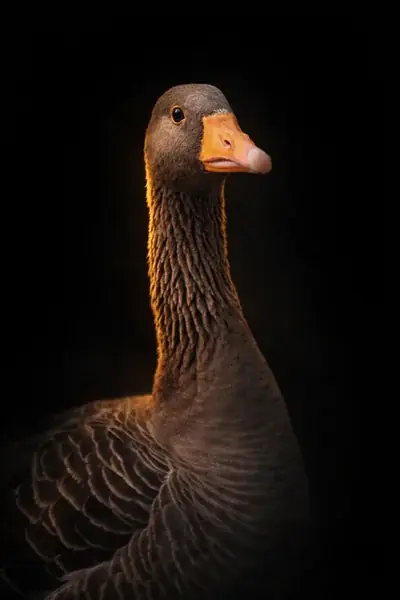
There it was in early March — perched on a lichen-covered branch in a Warwickshire garden, completely unbothered by me. It was there for less than a minute. These things never last as long as you want them to. But that's why you stop the car — the same reason you'd pull over for a grey-lag goose standing in a car park looking inexplicably dignified.