It had been raining for about an hour when I finally got the shot. Not a dramatic storm — just that persistent, drizzly, very British kind of rain that can't quite make up its mind. The roses had caught it all. Every petal holding a bead of water, the whole thing glowing against the dark background like something from a Dutch painting. I almost didn't stop. Glad I did.
A flower that carries a lot of history
The rose has been tangled up with Britain for so long that it's almost impossible to separate the two. The Romans grew them here. Medieval monasteries cultivated them for medicine and perfume. And then, in the 15th century, two warring noble houses chose them as their symbols — the House of York with a white rose, the House of Lancaster with red — and started a dynastic conflict that lasted thirty years and went into the history books as the Wars of the Roses. A bit dramatic, honestly, for a garden flower.
The red rose of England is older than all of that, though. It traces back to the Tudor rose — a combination of red and white created by Henry VII to signal the end of the wars and the unification of the two houses. Political branding, essentially. And it worked. Five hundred years later, England still claims the rose.
Not as English as we like to think
Here's the familiar pattern again: the flower we think of as quintessentially English isn't quite. The wild dog rose — Rosa canina — is genuinely native, and it's a beautiful thing if you catch it scrambling through a hedgerow in June. But the full, heavy blooms we picture when we say "English rose" are descended from cultivated varieties brought from Persia and China, crossbred over centuries by gardeners who had a very clear idea of what they wanted. The result is something borrowed, improved upon, and now entirely our own. Which is, again, very British.
"Five hundred years later, England still claims the rose."
What makes them worth photographing
The thing about roses is that they reward patience. The right moment — early morning, after rain, in soft overcast light — and they're extraordinary. The colours deepen. The textures become almost tactile. The petals hold water in a way that catches whatever light there is and turns it into something you couldn't have planned.
That evening, shooting in the drizzle, I kept being surprised by the depth of the red. Not the bright, cheerful red of a Valentine's card, but something darker, richer — almost bruised in places. The kind of colour that doesn't quite exist in any other context. You find yourself wondering how something that common can still look like that.
They're everywhere, if you look
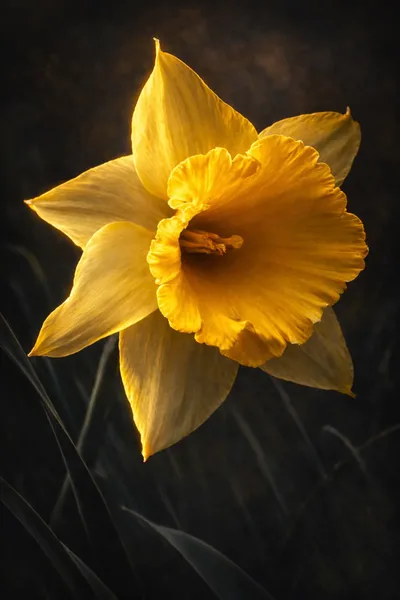
Roses grow across Britain from May through to October, depending on the variety. They're in gardens and parks, scrambling over walls, running wild in hedgerows. The dog rose in particular is everywhere in summer — small and pale and pink, one of those things you'd drive past a thousand times without noticing. Worth noticing, just like the tulip in a garden border or the daffodil on a verge.
The cultivated varieties will be at their best from late May into July. But honestly, find them in the rain. Wait for a grey afternoon and get close. Britain does moody very well, and so do roses. The same light that makes a tulip glow will do something extraordinary to a dark red bloom.